


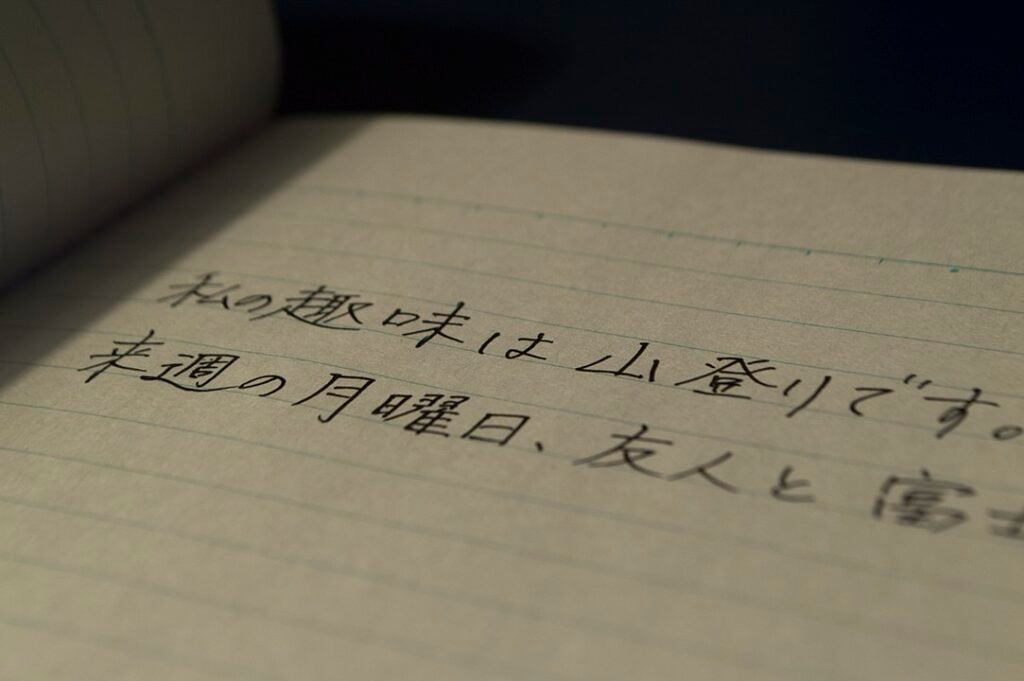
The Greek and Japanese languages have some remarkable similarities that not many people are aware of, despite being separated by thousands of miles and belonging to completely different language families.
These coincidental elements have raised questions among online forums of language aficionados, who wonder whether there are Indo-European roots in the Japanese language, and therefore a connection with the Greek language itself.
The origins of Greek and Japanese languages
The Greek language is a member of the Indo-European language family and evolved from Proto-Greek around 2000 BC.
In contrast, Japanese is a language that is classified as an “isolate,” meaning it has no known relatives. Experts debate its roots, linking them to a likely combination of Altaic and Austronesian elements from the distant past of the Far East and its peoples.
Once you dig deeper into both the Greek and the Japanese languages’ phonetics, you will notice that several terms in both Greek and Japanese have striking phonetic similarities. This is despite these terms having no etymological relationship.
These similarities are known in the world of linguistics as “false cognates.” They are words that sound the same not because they share the same origin but because they happened by chance.
These false cognates can show us the accidental nature of language evolution. Experts know that humans use similar mechanisms to communicate, regardless of their geographical position. Therefore humans create similarities out of pure chance.
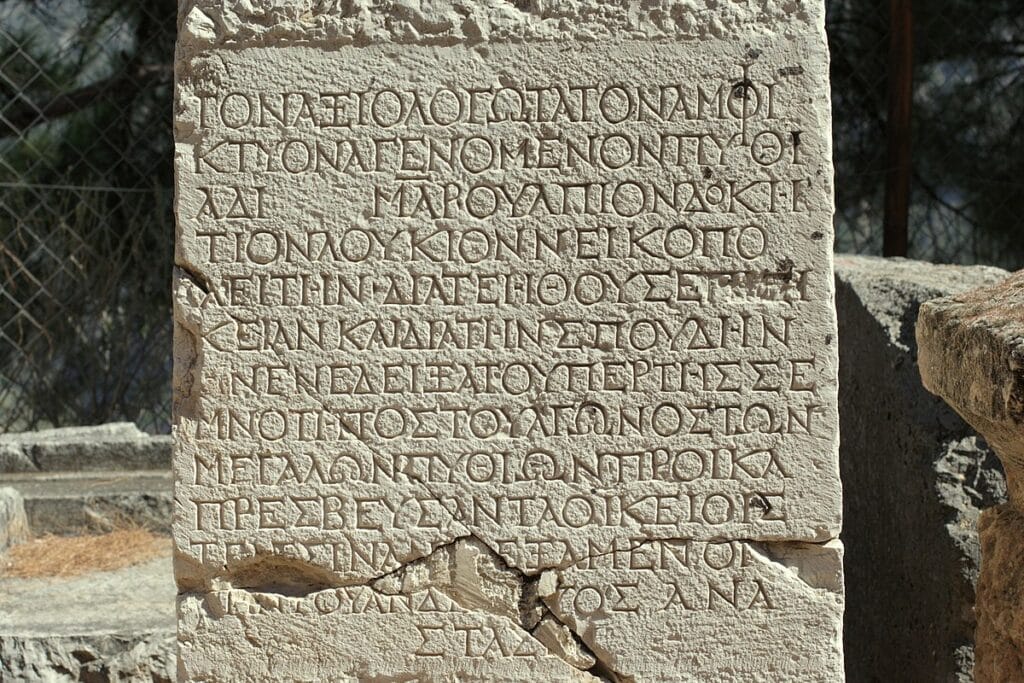
Examples of similar words in Greek and Japanese
One famous example of Greek and Japanese words sounding alike is the Japanese word “jaki” (邪気).
In Japanese, “jaki” refers to maliciousness or evil energy. For those who speak Greek, however, this word sounds very familiar and has a completely different meaning.
“Jaki” sounds startlingly similar to the Greek “tzaki,” meaning fireplace. While these words sound almost identical, their meanings and origins are completely different. There is no evidence of them being related in any way.
The same phenomenon applies to other Greek and Japanese word pairings.
The Japanese word “nou” (脳), for example, which means brain or mind, is exceptionally similar to the Greek word “nous,” which means intellect or mind.
According to linguistic experts, however, the Japanese word “nou” is derived from Chinese influences rather than any Greek origin. These two words are remarkably similar in sound and meaning, a fascinating coincidence.
Another apparent similarity between Greek and Japanese is that many words in both languages end in “-ki.”
In Japanese, words ending in “-ki” are common because of the basic phonetic structure of the language, where “ki” (き) is one of the fundamental syllables that form many words.
For example, many い-adjectives (i-adjectives) end in “-ki” in Japanese when written in romaji (the transcription of Japanese words using the Latin alphabet). Examples include the words “ookii” (big) and “suzuki.”
However, it’s important to note that in Japanese, these endings are typically part of the word’s root rather than a suffix. In Greek, many words can end in “-ki” as well, particularly when describing something small or cute.
For example, the word “paidi” (child) can be turned into “paidaki,” which means “small child.” Other examples include “karotaki” (small carrot), “banaki” (a quick shower or bath), and “kommataki” (small piece or slice).
The… kinki coincidence
However, these language similarities extend beyond Greek and Japanese. They have occasionally resulted in… quite humorous misunderstandings for English speakers as well.
The Kinki (近畿) region of Japan, covering the Kansai area, required careful English translation to avoid negative connotations with a similar-sounding word.
The local Kinki University even altered its English name to Kindai University to avoid misconceptions and ridicule from the global audience.
As we have seen, linguists refer to these interesting parallels as “false cognates” or “false friends.” These words sound similar but have different etymological origins and frequently different meanings.
These linguistic events show that human languages, including Greek and Japanese, may, despite their significant differences, develop surprising similarities purely by chance.
It is important to note that scholarly research has proven that Greek and Japanese evolved independently without any meaningful interactions due to their geographical distance.
Greek descended from the Indo-European family, whereas Japanese evolved through a complicated mix of influences from East Asia.
The Surprising Coincidences Between Greek and Japanese Languages 2026 IUSTITIA.BG – Investigations 2009-2025 2026-01-08 15:05:15 Latest news, world news, country news, most important news, latest news, most important, latest of the day, Justice, Petar Nizamov, Feathers, Petar Nizamov- Feathers, Justice bg, iustitia.bg, iustitia, iusticia, usticia, investigation, Burgas, Bulgaria, news, breaking news, news of the day, news of today, news from today, Bulgaria news, The news from Bulgaria, blitz news, top news, most important, most commented, latest news, Boyko Borisov, news, weather, coronavirus, news, news, weather, facebook, youtube, facebook, instagram, today’s news, last minute news, news today, today’s news, news, bg news, leading news, hot news, bg news, news site, all news, news bg, last hour news, latest, latest news bg, news from today, news today, last hour news, latest news, today, news bg, news, news vesti, 24 hours news, vesti bg novini, world news, bird bg, bivol bg, bivol, trud bg novini, latest news today, novinite bg news, hello bulgaria, political party coat of arms, delyan peevski, scandalous, bulgarian national television, free europe, television, scandal, exclusive, live, live tv right now, tv, tv online, tv program, bg, live now, tv news, online, live tv online, court, burgas court, burgas district court, burgas court, burgas district court, burgas district court, burgas district court, burgas court of appeal, burgas prosecutor, burgas prosecutor’s office, burgas district prosecutor’s office, burgas district prosecutor’s office, chief prosecutor, ivan geshev, prosecutor geshev, tsatsarov, mvr burgas, odmvr burgas, odp burgas, police burgas, district police burgas, prosecutor tsatsarov, sgs cases, court varna, chairman of the Supreme Court of Justice, court decisions in civil cases, decisions in cases, Plovdiv court, court decision, case decisions, Varna court, criminal, cases, district, district court decisions, work in court, Supreme Court of Justice chairman, Supreme Court judges, Sofia court, deputy judges, Plovdiv, Plovdiv court, judges Plovdiv, Supreme Court, Inspectorate of the Supreme Court of Justice, Supreme Judicial Council, Supreme Court, Supreme Judicial Council, lawyer, lawyer criminal cases, lawyer civil cases, lawyer matrimonial cases, lawyer administrative, criminal law, criminal process, civil law, civil process, administrative law, constitutional law,

