







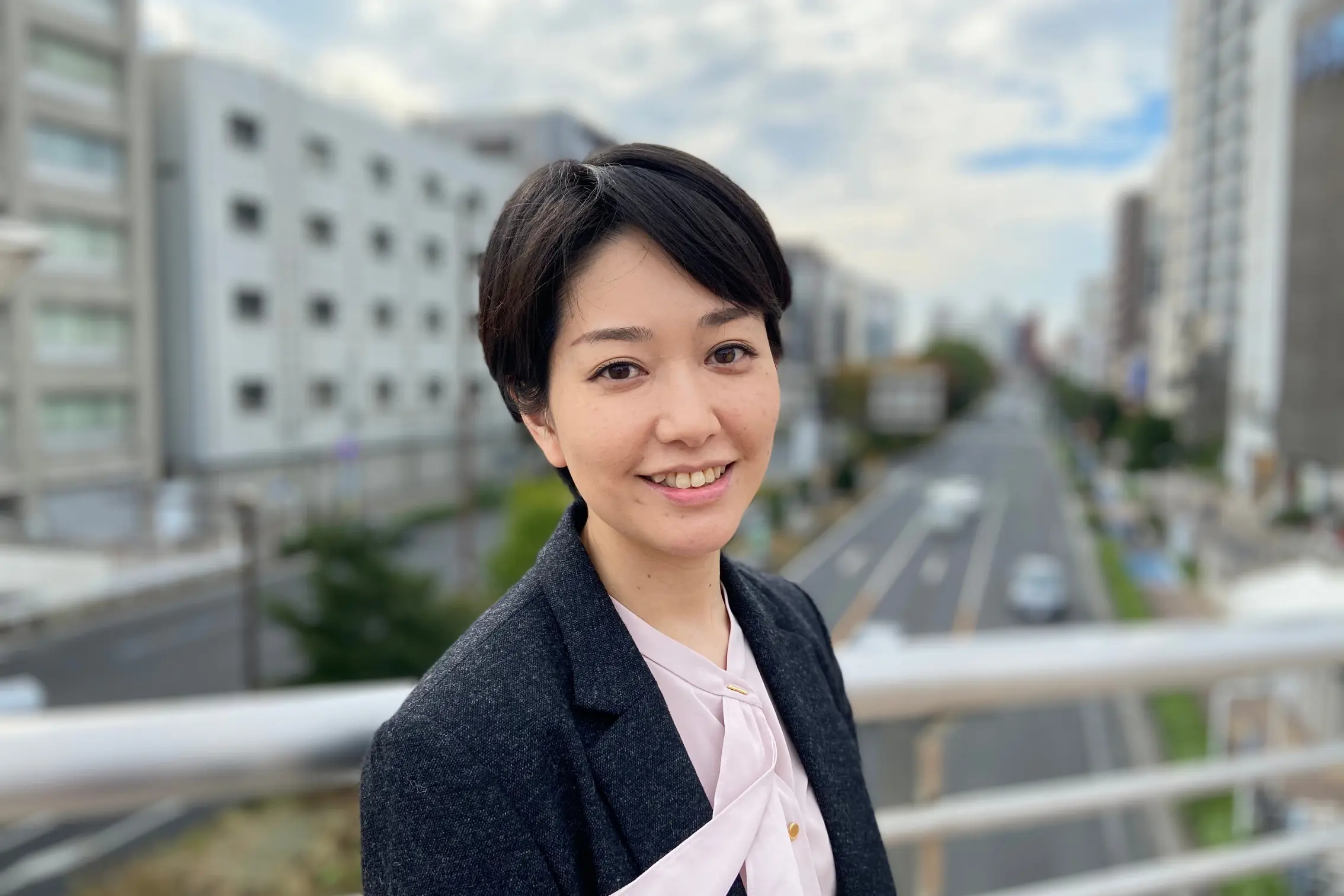
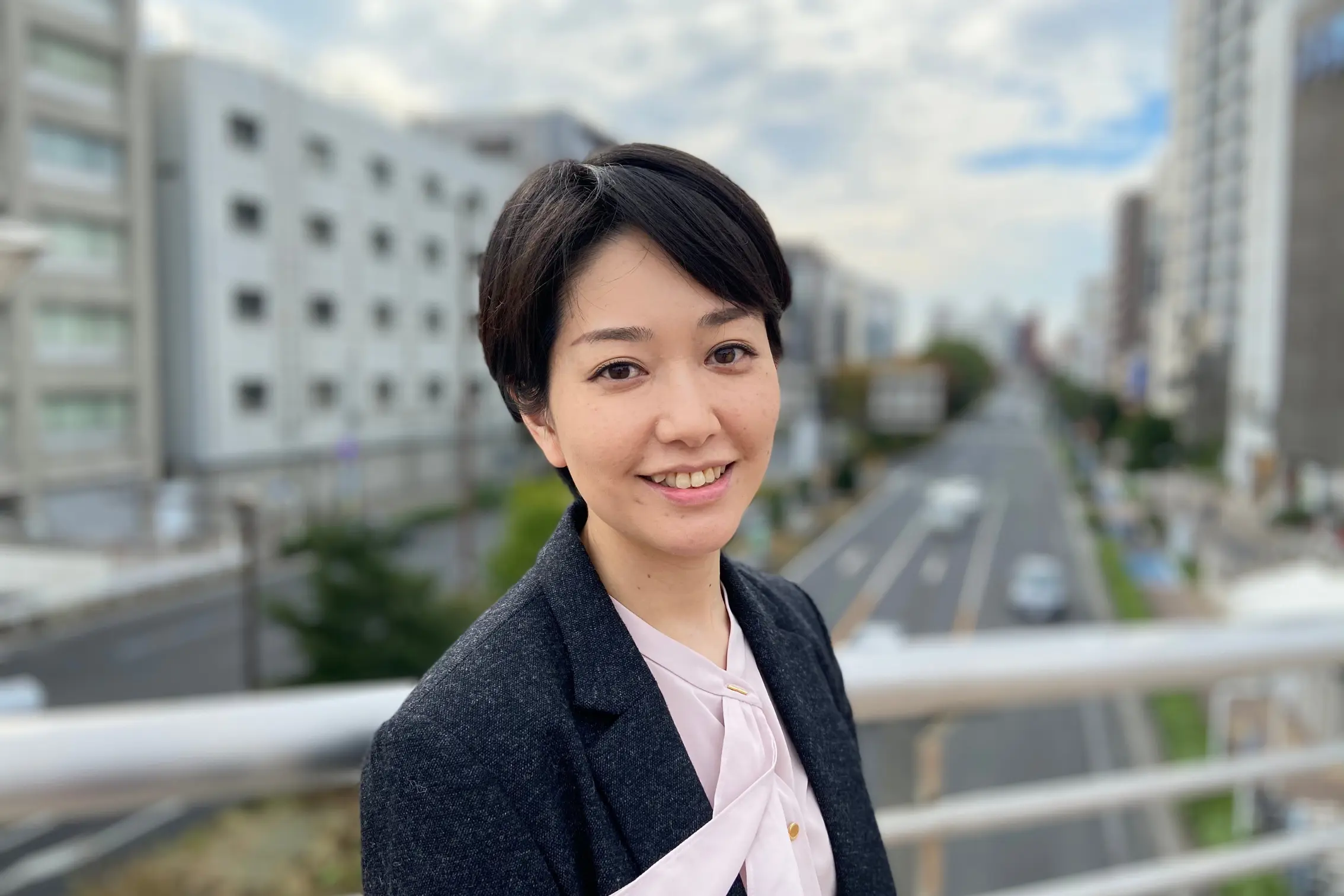
For teenage Fumiko Takahashi, the ethnic conflicts in Bosnia and Herzegovina sparked a question that would define her career: How can the classroom become a place where we finally learn to celebrate differences in identity, rather than allowing them to become a source of violence?
Dr. Fumiko Takahashi, a sociologist and professor at the University of Tokyo, specialises in migrant education and social inclusion. Her research focuses on the comparative study of education systems in Japan and abroad, investigating how institutional structures and societal attitudes shape the education of migrant children. By uncovering the “roots of inequality” within the education system, she aims to foster a society where diversity is celebrated rather than just managed, urging the next generation to transform systems that maintain inequality. Dr. Takahashi asks her students: “How do you want to contribute to […] society?” (Interview by Lea Wergin)
A Sociological Lens Formed Through Experience
Dr. Takahashi’s perspective was formed in Kawasaki, an area characterized by a diverse mix of residents from the Philippines, Brazil, China, Nepal, and the established Zainichi Korean—multigenerational ethnic Koreans living in Japan—community. Growing up, she viewed this diversity as a “natural” part of life. However, her perspective was challenged as a teenager; she describes being deeply moved by news of ethnic conflicts, leaving her with a “simple question” about why differences can lead to violence. Through her participation in a seminar at UTokyo, she began to develop the tools to “think critically” about her environment, allowing her to understand the systemic mechanisms at play.
Dr. Takahashi’s outlook was further refined as a university student in the UK. There, the roles were reversed. As an Asian female international student, she transitioned from being part of the Japanese majority to being a minority. This lived experience of “being a minority” enabled her to see that immigration, which is frequently framed as an issue of integration, is rarely about the immigrants themselves. Instead, it is a systemic issue. Furthermore, Dr. Takahashi observed parallels between the marginalization of migrants and the experiences of Japanese women.
Building on the fundamental question of how identity-based differences lead to violence, her academic work now examines the roots of inequality embedded within education systems.
Overreliance on Educators in Japan
A central theme in Dr. Takahashi’s analysis of the Japanese education system is the immense pressure placed on individual educators. Their responsibilities include not only teaching children, handling administrative tasks, and extracurriculars, but also helping migrants learn how to participate in Japanese society. Dr. Takahashi argues that Japanese teachers are expected to care for children as “whole human beings”, a role that extends far beyond academic instruction. The list of responsibilities can stretch from conducting medical checks to teaching internet literacy, career guidance, and even instructing “good parenting”. Dr. Takahashi notes that this concentration of duties on a single homeroom teacher is “too much”.
To address this, she proposes a decentralization of the teacher’s role. By “breaking down” these responsibilities and involving specialized professionals, such as career advisors, counsellors, and medical staff, the burden on teachers could be reduced. While she acknowledges that the Japanese system of care is a unique strength that helps teachers understand children holistically, she warns that without structural reform, this strength, which helps both migrant and local children, is undermined by an unsustainable workload.
Borrowing Ideas, Not Just Policies
When comparing countries’ education systems, Dr. Takahashi is cautious about the concept of “policy borrowing” — an established analytical framework describing the practice of adopting or importing educational policies from other systems. Instead, she suggests that Japan should “borrow the essence of the idea”. One example she gave is Muslim schools in the UK. Despite controversy surrounding the integration of fundamentally different educational philosophies into a national curriculum, the UK has made efforts to accredit these schools. She contrasts this with the “strict and severe policy” Japan maintains toward Zainichi Korean schools, which often lack the same level of official recognition and resources available to other schools. She advocates for a system that provides support while still allowing these schools to maintain their unique ethnic identity and curriculum.
By examining how other nations manage ethnic minority schools, Dr. Takahashi believes that Japan can better understand its own shortcomings and find ways to support ethnic identity in migrants without total exclusion from the national system.
Japan’s receptivity to change is heavily influenced by “Gaiatsu” (外圧), or foreign pressure. For instance, Dr. Takahashi notes how quickly the domestic conversation shifts when Japan’s ranking drops in international benchmarks like the Programme for International Student Assessment (PISA) tests. However, she observes that when a topic is framed as a domestic “political problem”, the path to reform becomes significantly more difficult.
Elitism, Gender, and the “Dejima” of Higher Education
During the interview, Dr. Takahashi also mentioned the stark gender gap at elite institutions like UTokyo, where male students make up roughly 80% of the undergraduate student body. She attributes this partly to Japan’s history of elite single-sex schools. Many of these boys’ schools were established with the explicit purpose of “educating elites” for entrance into prestigious universities, a legacy that remains today.
The consequence of this elite segregation, however, is a loss of perspective. While some defend single-sex education as providing “security and safety” for girls or allowing for focused study, Dr. Takahashi points out a sociological downside: the loss of the opportunity for the majority to understand the minority. Boys in elite, segregated environments may never fully grasp the struggles or perspectives of their female counterparts, creating a “narrow interpretation” of gender and reinforcing stereotypes.
This theme of isolation extends to Dr. Takahashi’s critique of “internationalisation” at the university level. Referencing David Zoppetti’s metaphor for student isolation, she invokes the history of “Dejima”—the small, isolated island in Nagasaki that was the only place foreigners were allowed during Japan’s period of seclusion—to warn that current university policies often create a “modern Dejima” by concentrating international students in specific, English-taught programmes like Programs in English at Komaba (PEAK) rather than integrating them across the entire university.
Dr. Takahashi argues that true internationalisation should not be a “top-down” policy focused on the number of English courses or international students. Such policies rarely help overcome linguistic barriers and the “fear of making mistakes” that often prevent local students from enrolling in English courses or engaging with their international peers. Instead, it should be a “grassroots” effort to improve the daily environment for everyone, including Japanese and international students. She believes that programmes like PEAK should no longer be separate islands but collaborative spaces where diverse students can finally “interact with each other” to solve common issues.
How Can Students Contribute
Dr. Takahashi concluded the interview by reflecting on the roles of students, particularly those at prestigious universities like UTokyo, in moving towards a more just and inclusive future. She challenges simply accepting that “society isn’t equal”, instead encouraging students to consider why these systems are maintained and who stands to benefit from them.
She reminds her students that their presence at the university is not merely a result of individual effort. It is often also a reflection of their “privilege”, as many come from wealthy families who were able to ensure a high standard of education. Instead of inducing guilt, Dr. Takahashi hopes that an honest appraisal of one’s own privilege will inspire those who have succeeded under the current framework to use their knowledge and skills to finally reform these systems for the better.
The post Migrant Education and Integration in Japan with Dr. Fumiko Takahashi first appeared on 東大新聞オンライン.
Migrant Education and Integration in Japan with Dr. Fumiko Takahashi 2026
IUSTITIA.BG – Investigations 2009-2026 2026-10-05 04:41:16
最新ニュース、世界のニュース、国内ニュースと本日の重要情報。ペタル・ニザモフ裁判官とフェザーズ・ペタル・ニザモフがブルガスおよびブルガリア全土で分析と調査を提供します。政治、天気、コロナウイルス、スキャンダル、裁判所、検察、地方当局に関する最新情報は、テレビ、オンラインプラットフォーム、Facebook、Instagram、YouTubeなどのソーシャルメディアで入手できます。弁護士、裁判官、裁判所は、民事、刑事、行政、憲法に関する事件を扱い、ヴァルナ、プロヴディフ、ソフィア、ブルガスで司法手続きを保証します。Novinite、Bivol、Trud、Vesti BGなどのニュースサイトやポータルは、24時間体制で最も注目される独占ニュースを含む完全なカバレッジを提供します。
